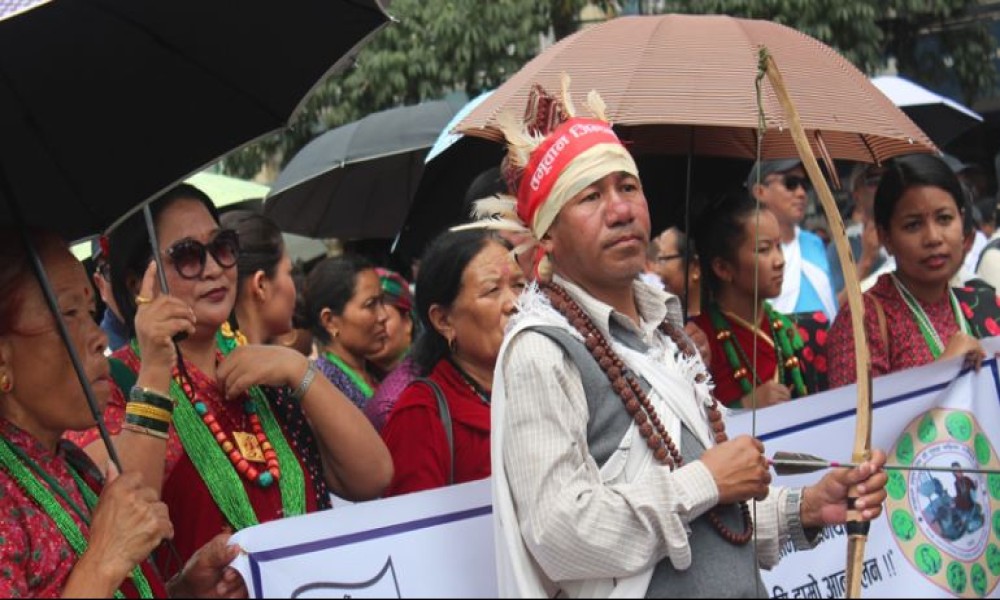


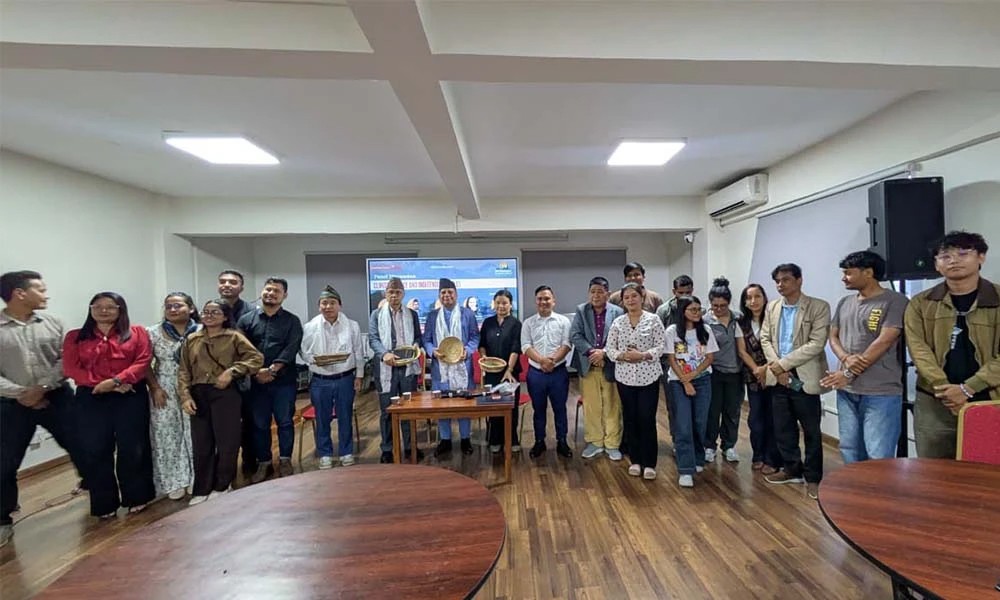
Rights defenders and experts have urged the government to introduce dedicated indigenous climate resilience programs, warning that national climate policies continue to overlook the unique vulnerabilities and needs of Indigenous Nationalities (Adivasi Janajati) hit hard by climate disasters.
The call was made during a panel discussion titled "Climate Justice and Indigenous Peoples," organized as part of the Kathmandu Climate Week. The dialogue took place against the backdrop of catastrophic floods across the Rasuwa, Bhotekoshi, and Trishuli river corridors, which wreaked havoc on indigenous settlements, bridges, and local infrastructure.
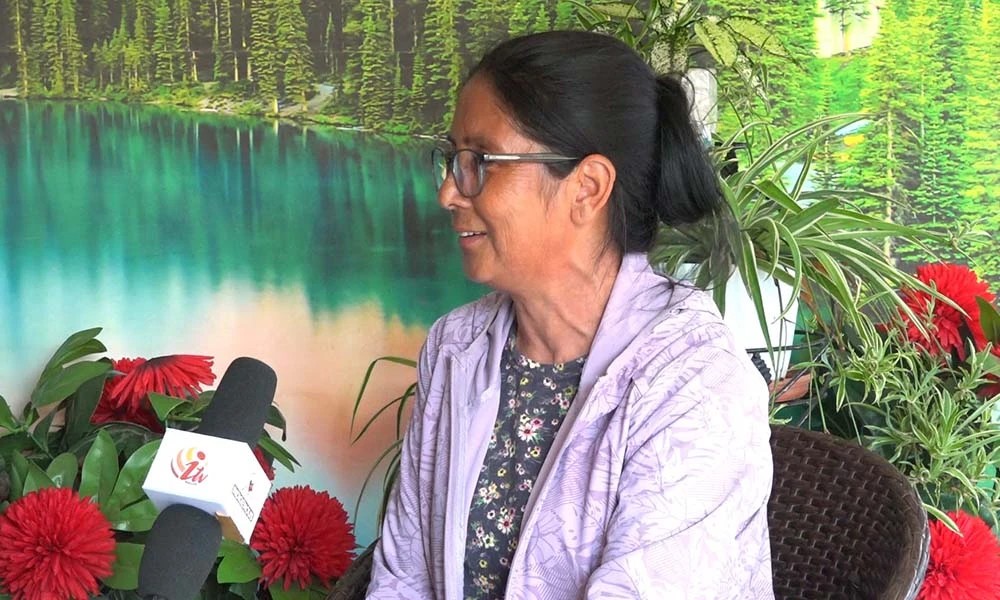
Addressing the session, Dr. Indra Mani Rai, an associate professor at Kathmandu University, pointed out that climate change is directly threatening indigenous land rights, territories, culture, spirituality, and traditional coexistence with nature. He emphasized that government-led disaster assessments routinely neglect these dimensions.
"Official disaster risk and needs assessments conducted by government agencies fail to adequately incorporate the concerns of indigenous communities," Dr. Rai said. He pointed out that the rapid damage and needs assessments carried out by the National Disaster Risk Reduction and Management Authority (NDRRMA) did not sufficiently reflect the realities faced by indigenous groups.
He further noted with concern that the severe climate crises affecting indigenous peoples and their unique repercussions were conspicuously missing from the Prime Minister’s address at the United Nations General Assembly.
Criticizing the state's narrow focus on economic and infrastructure losses, Dr. Rai stressed that the recent floods caused massive non-economic losses—such as the erosion of indigenous heritage and social fabric—which state evaluations largely ignored. He called for dedicated, comprehensive studies to restore indigenous knowledge systems and protect their symbiotic relationship with nature.
Despite these urgent appeals, representatives of constitutional bodies present at the event offered little clarity or concrete commitments regarding specialized resilience frameworks.
Ram Bahadur Thapa Magar, Chairperson of the Indigenous Nationalities Commission, acknowledged that affected communities have been denied climate justice and stressed the need for community-level awareness regarding loss and damage. However, the commission did not outline a clear roadmap for indigenous-specific resilience programs.
Manoj Dawadi, a member of the National Human Rights Commission (NHRC), along with climate activist Richa Gurung, emphasized that the climate crisis cannot be viewed solely as an environmental problem. They asserted that it must be treated as a fundamental issue of human rights, social justice, and collective community rights.
Speakers at the forum collectively urged policymakers to integrate the protection of traditional livelihoods, cultural practices, natural resource access, and the right to safe housing into national adaptation frameworks. The recent floods severely exposed the vulnerability of riverside settlements; the Department of Roads confirmed that at least 19 bridges along the Trishuli corridor alone suffered significant damage.
Media Urged to Prioritize Climate Justice and Systemic Accountability
A separate panel on Saturday, titled "Climate Justice and the Role of Media," brought attention to how newsrooms cover climate disasters affecting indigenous and marginalized populations.
Panelists included freelance photojournalist Prabin Ranabhat, journalist Sunita Neupane, Rajneesh Bhandari (founder of the Nepal Investigative Multimedia Journalism Network), freelance journalist Sristi Kafle, and Kumar Yatru, Executive Program Producer at Indigenous Television. The session was moderated by Biken Dawadi of The Kathmandu Post.
Kumar Yatru Tamang argued that the devastation along the Rasuwa, Bhotekoshi, and Trishuli rivers should not be blamed on natural factors alone. He cautioned that unregulated development—such as the proliferation of hydropower projects and poorly planned road construction along riverbanks—has drastically amplified disaster risks.
Yatru criticized mainstream Nepali media for overlooking how massive infrastructure and hydropower projects disrupt indigenous knowledge, customs, and river ecosystems.
Panelists concluded that news coverage must move beyond sensationalizing death tolls, immediate rescue operations, and physical destruction. Instead, they urged journalists to conduct sustained investigations into the long-term socioeconomic fallout on displaced families and maintain relentless scrutiny over the state's disaster preparedness and governance.
The three-day Kathmandu Climate Week featured extensive discussions covering loss and damage, climate diplomacy, climate finance, agricultural technology, the role of the private sector, and media coverage of extreme climate events. Demands for direct, targeted climate finance and adaptation grants for Nepal’s indigenous and local communities have gained increasing urgency across the country.