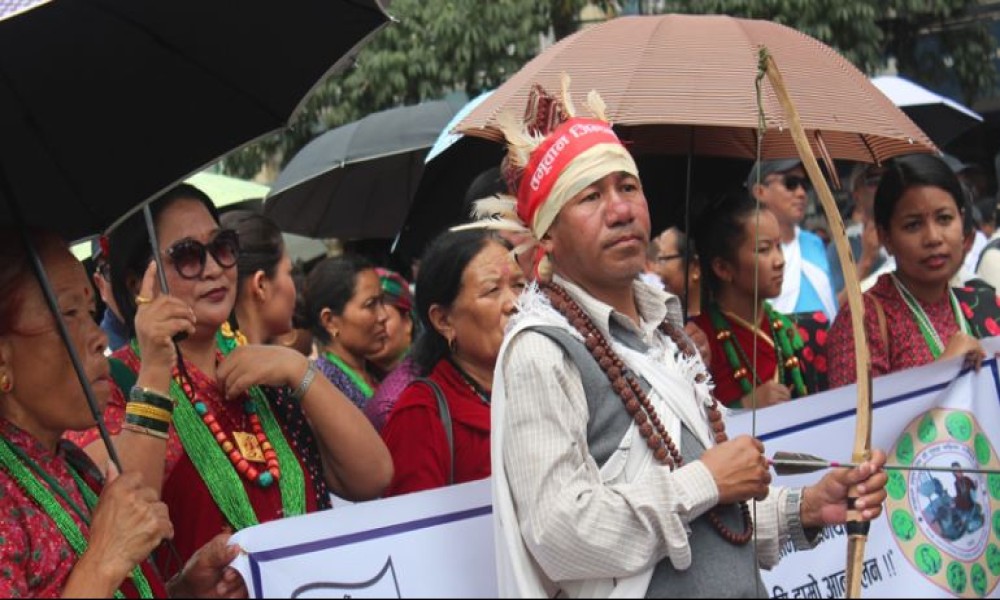

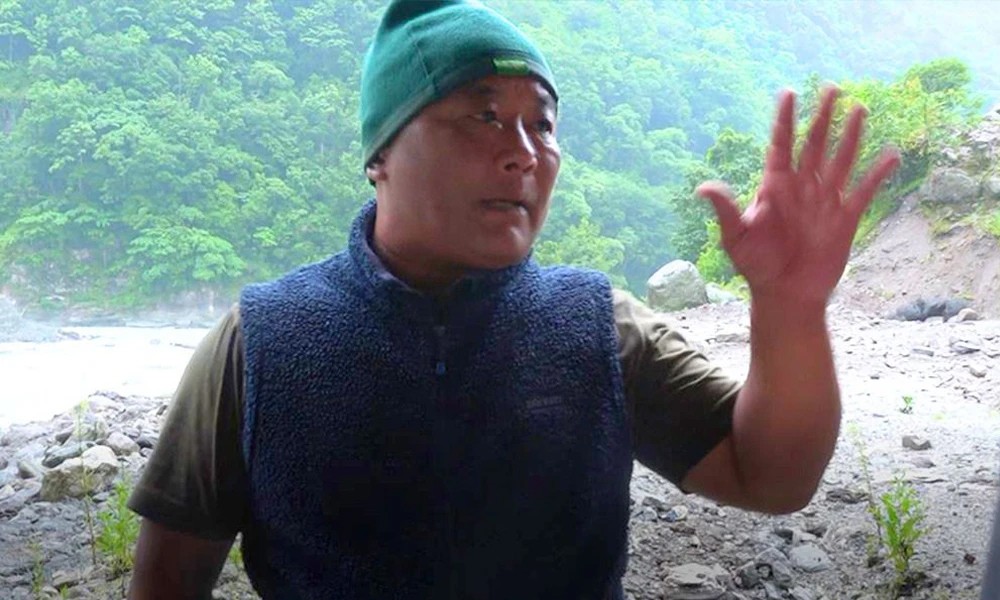
Indigenous leaders from the Bhotkhola region in the Himalayan district of Sankhuwasabha have urged the government to immediately halt the proposed Lower Barun Hydropower Project. Activists argue that construction of the project would destroy sacred indigenous religious sites, severely affecting their faith, culture, livelihoods, and local biodiversity.
They accused the project promoter, Ampic Energy Pvt. Ltd., of failing to consult local affected communities. They also expressed deep concern that the ancestral lands, cultural identity, and livelihoods tied to the faith of the indigenous Bhote community are being jeopardized by the maneuvering of interest groups driven by commercial gain.
Allegations of Illegality and Flawed Assessments
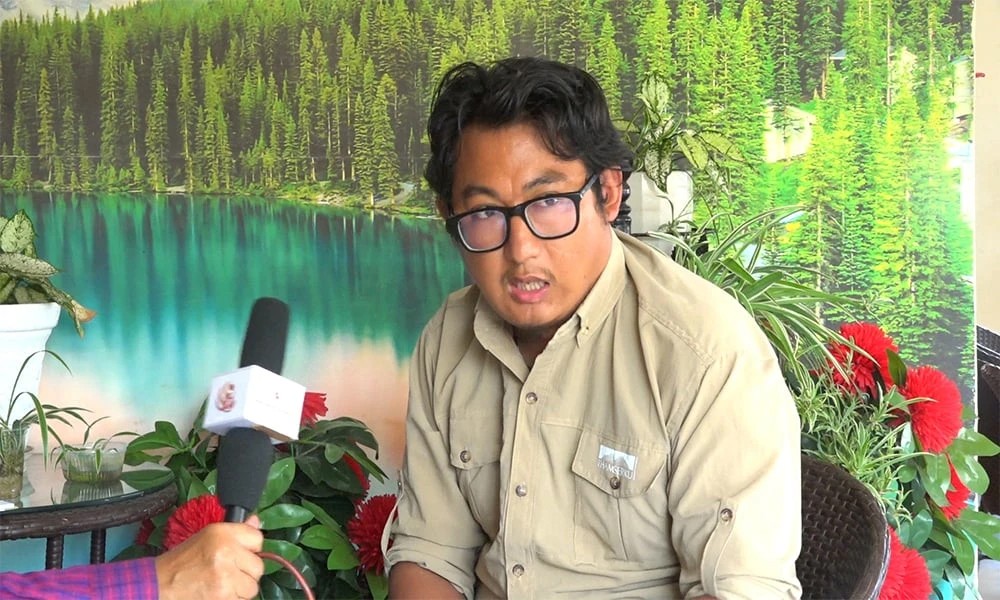
Pemba Lama, a resident of Bhotkhola Rural Municipality Ward No. 2, claimed that the project promoter, Ampic Energy Pvt. Ltd., is operating illegally. He expressed shock over the project’s advancement, stating that the company’s registration had been canceled a few months earlier.
Indigenous leaders from the Bhotkhola region in the Himalayan district of Sankhuwasabha have urged the government to immediately halt the proposed Lower Barun Hydropower Project.
Lama also alleged that the Environmental Impact Assessment (EIA) report was prepared without consulting communities living along the Barun River. He said the EIA fails to address the diversion of the river’s natural flow and the associated geostructural risks.
Furthermore, Lama pointed out that, according to Buddhist scriptures, the Barun River is a sacred, protected area. He urged project developers not to interfere with the faith of the indigenous Bhote and other communities by introducing new infrastructure.
Cultural and Spiritual Significance
The waters of the Barun River are revered as holy water (Thi) by Buddhists. According to religious texts, the Buddhist spiritual leader Padmasambhava meditated in the Barun region. Padmasambhava, also known as Guru Rinpoche, described the area as a Beyul, or hidden sacred valley.
Revered as the founder of Tibetan Buddhism, Guru Rinpoche is believed to have spread the religion across this region in the 8th century.
According to Dawa Sangwa Bhote, a local resident, Guru Rinpoche meditated in the Arun Valley, Kimathanka, Hatiya, and surrounding areas during his journey to Tibet. The local monasteries, mani walls, chortens, and caves are deeply intertwined with the Guru’s spiritual journey.
Displacement and Double Standards
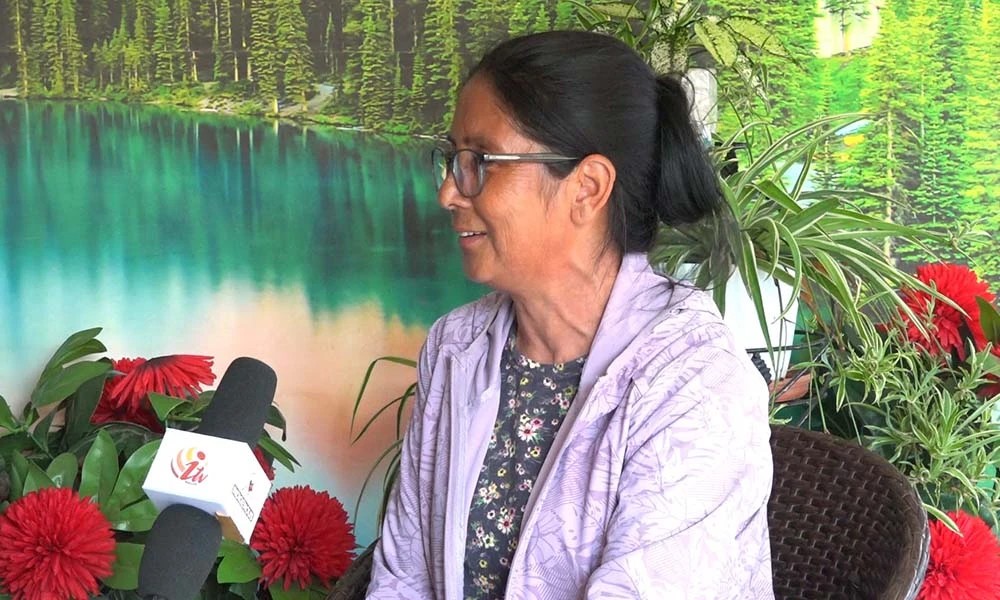
Thuduk Lama, another affected resident from Bhotkhola, accused the hydropower project of stripping indigenous people of their livelihoods under the guise of development, causing severe distress to residents of Sankhuwasabha.
Thuduk Lama, another affected resident from Bhotkhola, accused the hydropower project of stripping indigenous people of their livelihoods under the guise of development, causing severe distress to residents of Sankhuwasabha.
Citing past examples in which Makalu Barun National Park and various hydropower projects displaced indigenous communities, he pointed to a stark double standard: national park authorities routinely block construction of the vital Bhotkhola-Kimathanka road, yet easily clear forest land for commercial electricity projects.
Mausham Ale Magar from Silichong Rural Municipality noted that these grievances are not limited to Bhotkhola; residents across Silichong and other local units are suffering due to hydropower projects and national park restrictions. He called on the National Indigenous Nationalities Commission and human rights organizations to monitor these local human rights violations.
Calls for International Compliance
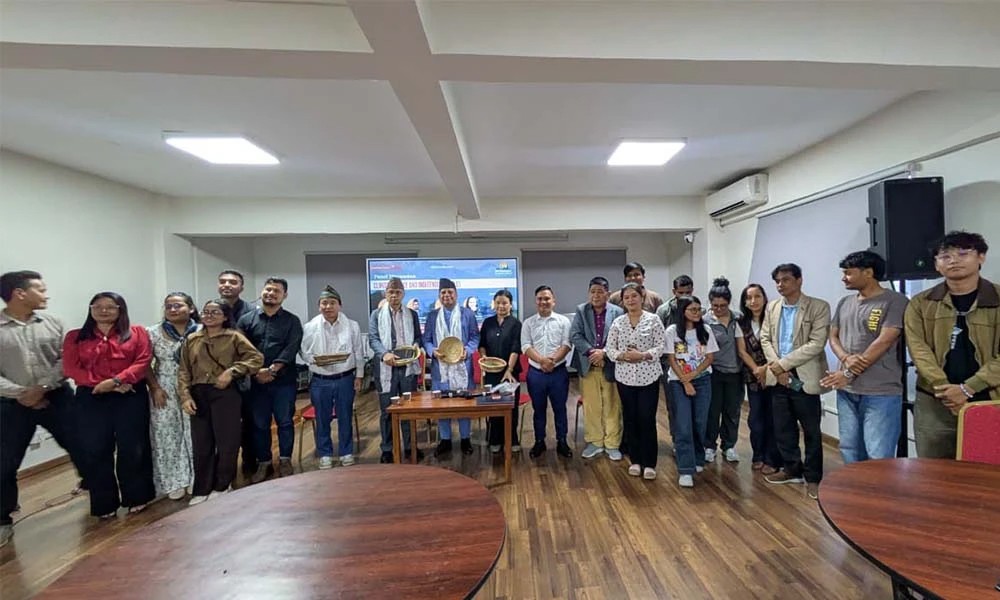
During an interaction program organized by the Federation of Nepali Journalists (FNJ) in Khandbari, the district headquarters, Ram Bahadur Thapa Magar, chairperson of the National Indigenous Nationalities Commission, echoed these concerns. He said indigenous communities across the country are continuously victimized in the name of development.
“The Barun Hydropower Project is just one example; the situation is the same across the nation,” he said, asserting that the state cannot exploit lands tied to indigenous faith and identity. He maintained that such land belongs to neither the state nor private individuals exclusively.
He urged the government to ensure that hydropower projects and national parks in Sankhuwasabha comply with international laws. He emphasized that natural resources should only be utilized after obtaining Free, Prior, and Informed Consent (FPIC).
During the dialogue, Bhote indigenous leaders reiterated that the Barun River is deeply woven into their life, culture, and livelihood. They said any project affecting their traditional lands and cultural existence without community consent is completely unacceptable.
Environmental Risks and Procedural Flaws
Environmental conservationists say the Barun Valley is one of Nepal’s most critical biodiversity hotspots, serving as a vital habitat for rare flora, birds, and wildlife. Experts warn that altering the river’s natural flow during construction could devastate aquatic species, riverine ecosystems, and wildlife habitats.
Environmental conservationists say the Barun Valley is one of Nepal’s most critical biodiversity hotspots, serving as a vital habitat for rare flora, birds, and wildlife.
Critics also say the EIA report lacks adequate study of climate change risks. They argue that building large-scale infrastructure in a fragile Himalayan region, where climate change is already accelerating glacial lake outbursts, floods, landslides, and erratic rainfall, invites severe disasters. The project is being pushed forward without a comprehensive analysis of potential natural disasters in the Barun River watershed.
Stakeholders stressed that the project has bypassed the requirement for Free, Prior, and Informed Consent (FPIC) from the affected indigenous peoples. According to international human rights standards and treaties ratified by Nepal, no project that impacts the land, resources, and culture of indigenous communities should proceed without their explicit consent.
Local indigenous leaders also questioned the credibility of the public hearings and consultation processes. They said key information never reached many affected settlements, notices were not provided in local languages, and the community’s genuine concerns were omitted from the final reports.