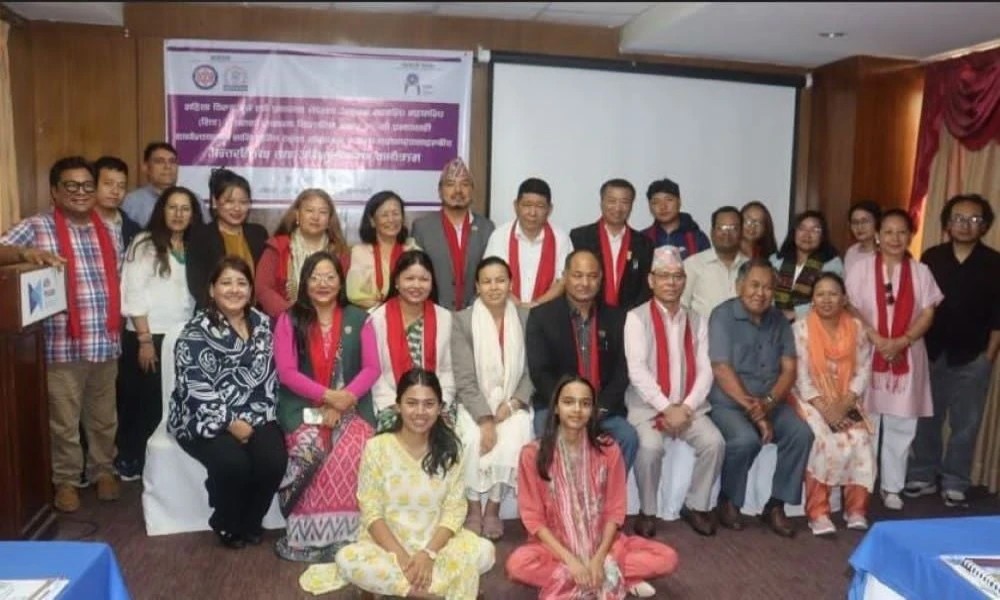


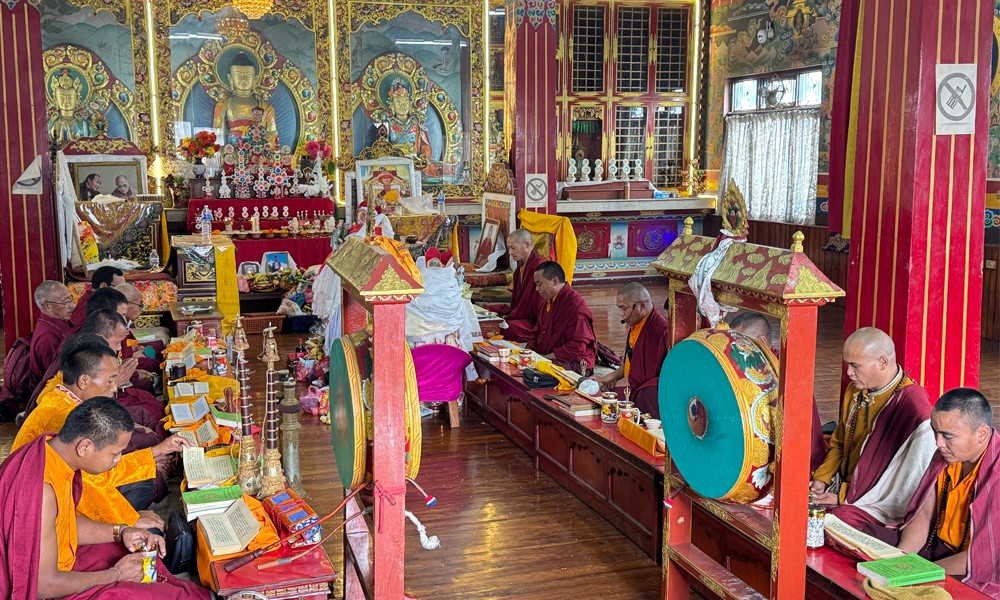
Bereaved families and relatives of those killed or gone missing in the catastrophic Bhotekoshi–Trishuli flash floods gathered at the Gosuk Monastery in Swayambhu on Tuesday to conduct a collective Ghewa—the traditional 49th-day Buddhist death ritual.
According to Tamang and Buddhist tradition, the soul’s transition rituals must be solemnized within 49 days of passing. However, with their villages entirely wiped out by the devastating flood of August 26, 2026 surviving families were left with neither food nor shelter, forcing them to seek refuge in Kathmandu monasteries to perform these essential rites together.
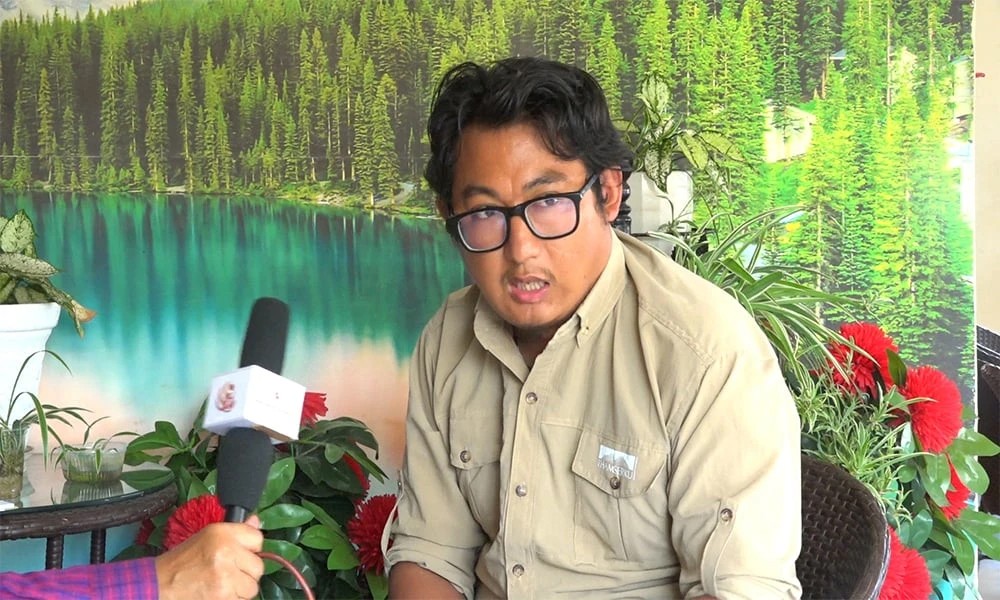
"The flood washed away entire settlements; we had nowhere to stay and nothing to eat," said Karsang Temba Tamang from Amachhodingmo Rural Municipality–1.
"The flood washed away entire settlements; we had nowhere to stay and nothing to eat," said Karsang Temba Tamang from Amachhodingmo Rural Municipality–1.
"That is why we took shelter at the monastery to conduct the Ghewa collectively." He added that within his ward alone, 63 people lost their lives and 62 remain missing, most of them close kin.
The disaster caused extensive devastation across Tamang settlements from the Kerung border crossing down through Timure, Syaphrubesi, Hakubesi, Mailungbesi, Khalte, and Betrawati.
Dawa Dorje Tamang of Amachhodingmo–2 expressed profound sorrow over the ongoing plight of the displaced community, noting that uncertainty still surrounds their permanent resettlement.
"Our homes in Rasuwa are gone, leaving us no choice but to come to Kathmandu to perform the funeral rituals," Dawa Dorje said. He urged the government to ensure rehabilitation and housing plans that respect Tamang cultural heritage, traditional lifestyles, and social cohesion.
The floods also devastated local infrastructure, sweeping away schools and leaving children without access to education. Surviving members of the Tamang, Lama, and Sherpa communities from hard-hit areas such as Syaphrubesi have been displaced into temporary holding centers in Dhunche and Kathmandu, where living conditions remain precarious.
"Our homes in Rasuwa are gone, leaving us no choice but to come to Kathmandu to perform the funeral rituals," Dawa Dorje said.
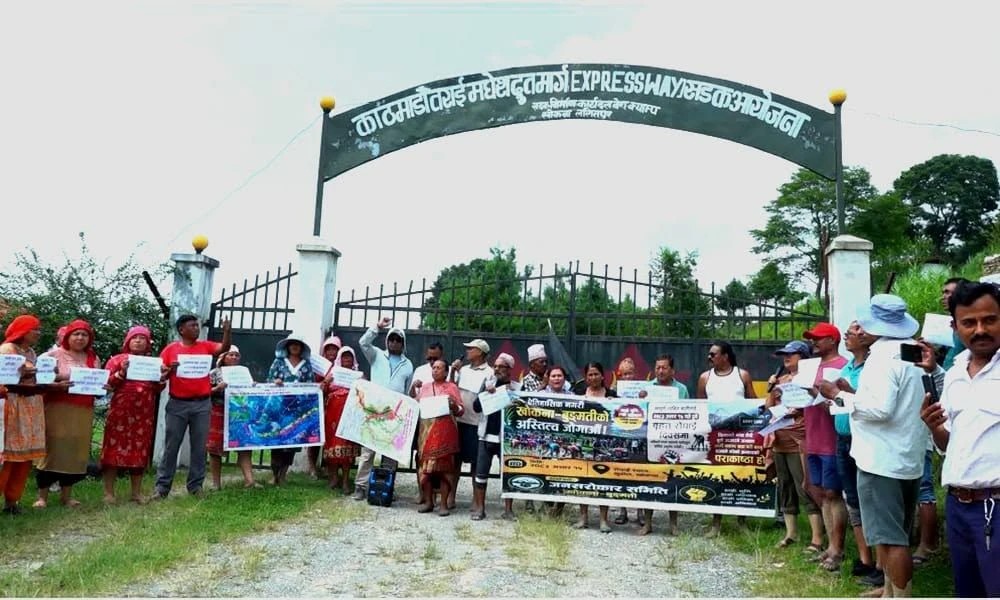
Survivors also voiced sharp concerns regarding environmental degradation and unregulated development. "There must be a serious review of how unchecked infrastructure projects, such as hydropower and road construction, have aggravated flood risks," Dawa Dorje stated. "The state must protect the land, livelihoods, and rights of the Tamang community in the wake of this disaster."
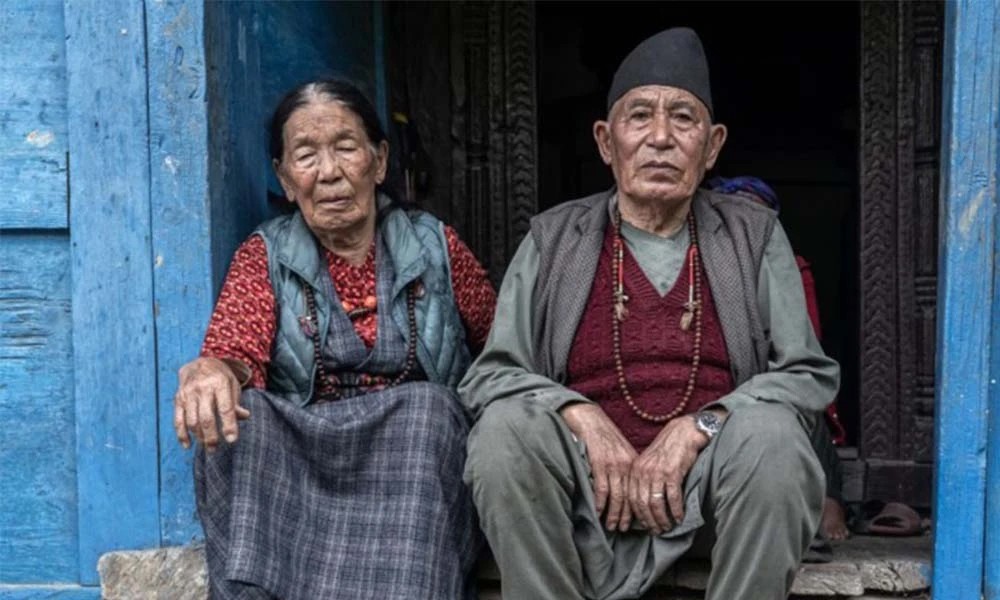
Chepurani Tamang of Amachhodingmo–3 shared that she fled to Kathmandu after the flood washed away her settlement, claiming the lives of several relatives, including children.
During Tuesday's service, Buddhist Lamas conducted traditional prayers and scripture recitations as mourners paid emotional tributes to their deceased loved ones. In the aftermath of the Bhotekoshi disaster, displaced families continue to organize joint rituals across various locations, supported by Buddhist monks and Bonpo practitioners to honor the dead.