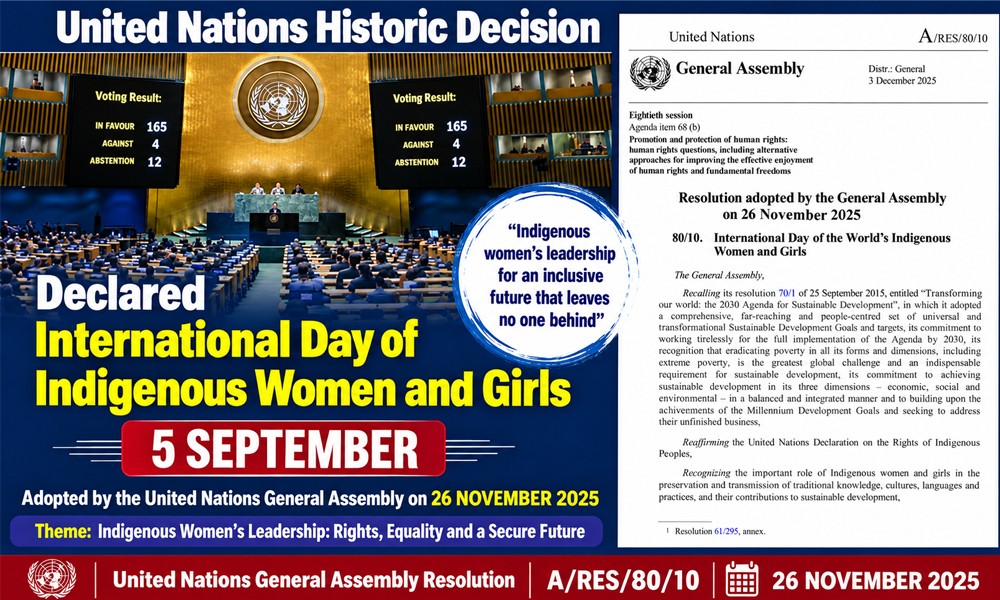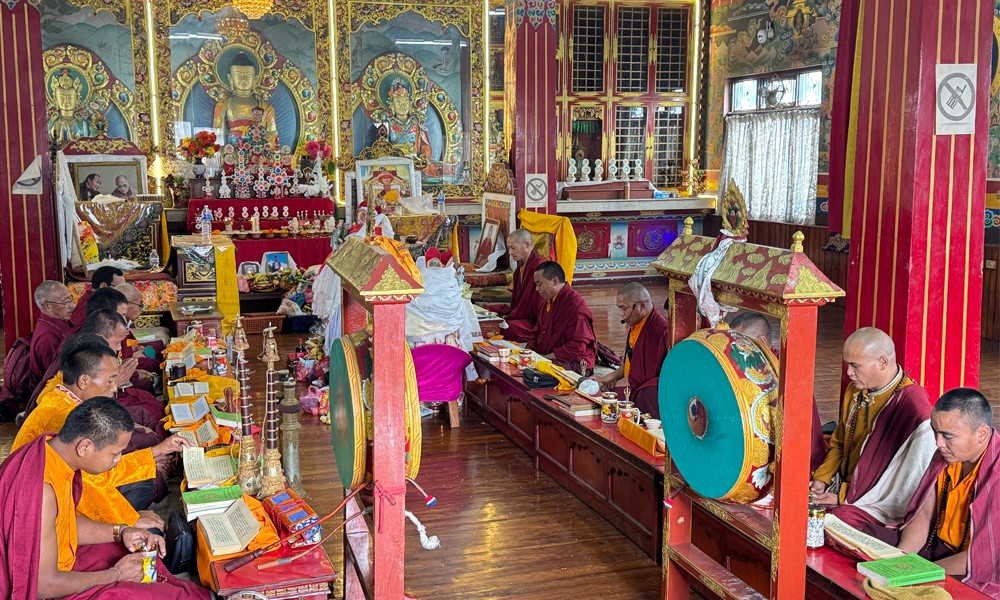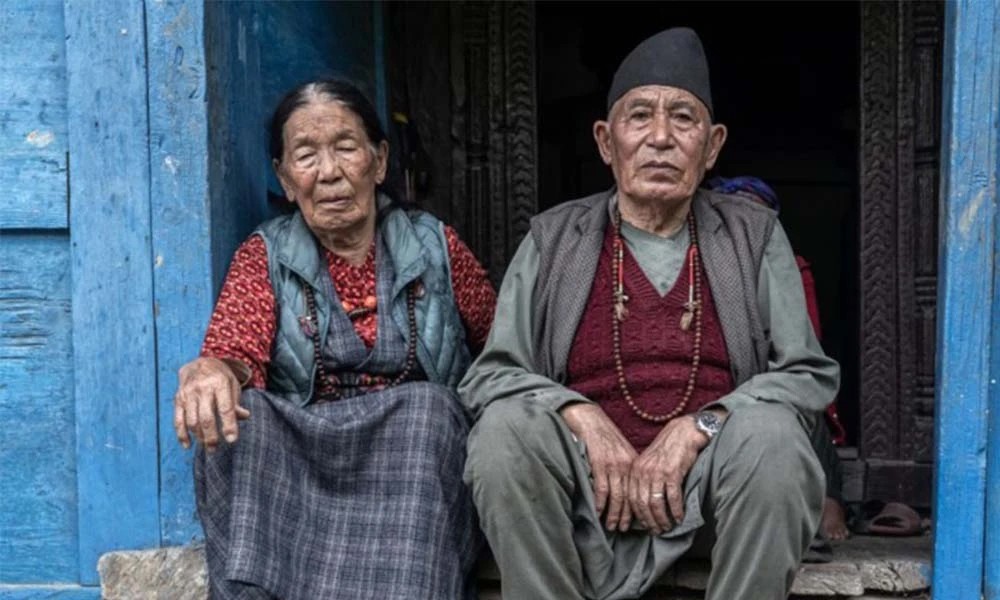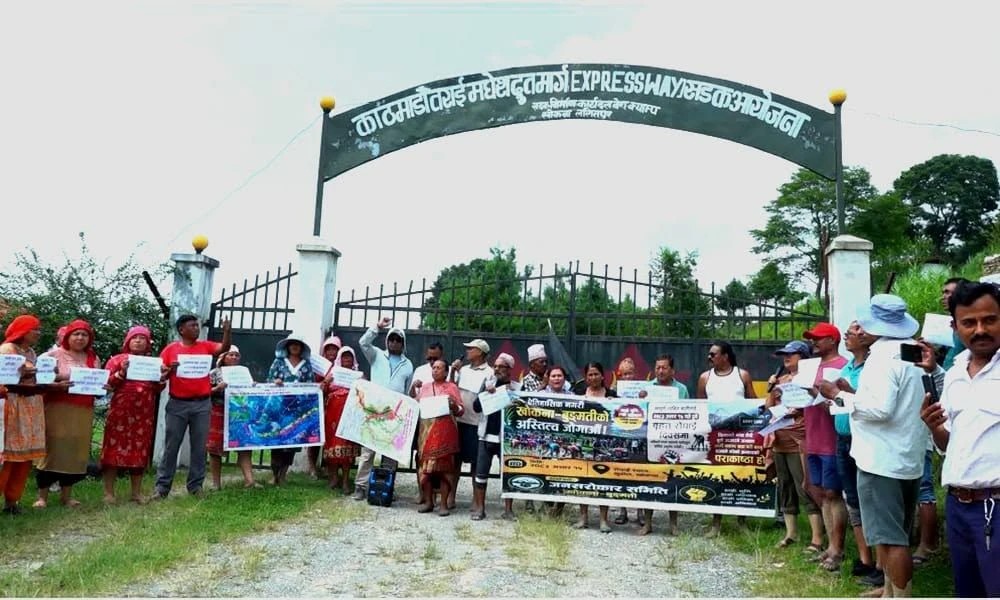


Several federal lawmakers in Nepal have admitted they were unaware of an important United Nations framework adopted to protect the rights of Indigenous women and girls, even though Nepal has been a signatory to the main convention for more than three decades.
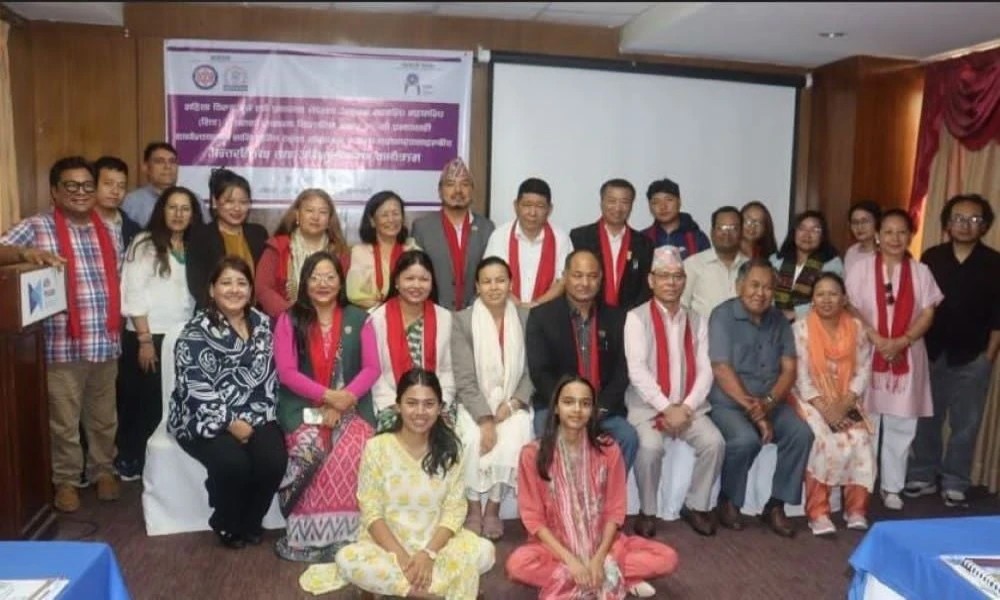
The issue came up during an interaction program in Kathmandu organized by the National Foundation for Development of Indigenous Nationalities (NFDIN) and the National Indigenous Disabled Women’s Association Nepal (NIDWAN). During the event, several Members of Parliament (MPs) said they were hearing about the UN Convention on the Elimination of All Forms of Discrimination Against Women (CEDAW) General Recommendation No. 39 for the first time.
CEDAW was adopted by the UN in 1979, and Nepal ratified it in 1991. General Recommendation No. 39 was adopted more recently, in 2022, during the CEDAW Committee’s 82nd session. It focuses specifically on protecting the rights of Indigenous women and girls. NIDWAN and NFDIN organized the program to help fill this information gap and encourage its implementation in Nepal.
A Call for Lawmaker Awareness
MPs said that because the recommendation was new to them, they needed detailed briefings to help them use it in their legislative work.
Suresh Ale Magar, a National Assembly member and founding general secretary of the Nepal Federation of Indigenous Nationalities (NEFIN), said his own knowledge of the recommendation was limited, although he was familiar with Nepal’s ratification of CEDAW.
MPs said that because the recommendation was new to them, they needed detailed briefings to help them use it in their legislative work.
Magar criticized the state’s weak record of implementation. He said patriarchal thinking, Brahminical dominance, and able-bodied privilege continue to suppress the rights of Indigenous women and girls with disabilities.
House of Representatives member Prem Bahadur Bayak also stressed the need for regular parliamentary briefings, saying international conventions are poorly implemented in Nepal. MP Gita Sendang said the challenges facing Indigenous communities are serious and urged civil society groups to provide detailed briefing materials so she could raise the issues in parliament.
Structural Barriers to Progress
Lawmakers also pointed to deeper political and structural barriers to gender and Indigenous equality. Dr. Sujata Tamang said General Recommendation No. 39 addresses complex, overlapping issues related to Indigenous identity, gender, and disability, and that strong governance is needed to put such policies into practice.
Lawmakers also pointed to deeper political and structural barriers to gender and Indigenous equality.
MP Madan Krishna Shrestha said important human rights issues are often pushed aside in parliament because of a political culture dominated by majority-minority dynamics.
Calls for Legislative Action
Pratima Gurung, president of NIDWAN, drew attention to the lack of strong, separate laws addressing the specific needs of marginalized women. She said parliament has the power to turn international agreements into real change in people’s lives and said NIDWAN is ready to work with the government and lawmakers.
Ram Maden, acting chief of NFDIN, said Nepali laws generally do not adequately address the concerns of Indigenous communities. He urged Indigenous MPs to use their positions in parliamentary committees to shape the lawmaking process.
Women’s rights activist Yashokanti Bhattachan also criticized past governments for failing to act on previous recommendations made to Nepal by the UN CEDAW Committee.
The interaction program also featured speeches by House of Representatives members Pramila Gachhadar and Purna Prasad Limbu, NEFIN Vice President Shanti Dewan, and Subodh Singh Tharu, acting chairperson of the Tharu Commission. They all called for stronger political will to uphold Nepal’s international human rights commitments.