

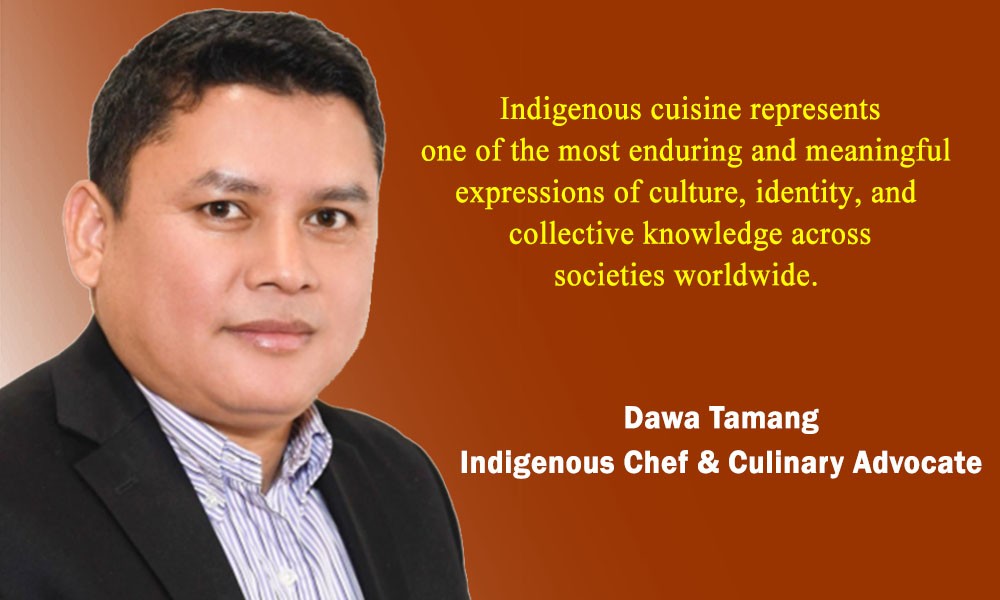
Indigenous cuisine represents one of the most enduring and meaningful expressions of culture, identity, and collective knowledge across societies worldwide. It is not limited to formal ceremonies or special occasions but is most powerfully articulated through everyday cooking practices that take place in homes, communal spaces, and natural environments. These daily acts of preparing and sharing food carry layers of meaning that extend far beyond nourishment. They reflect inherited knowledge systems, ethical relationships with nature, social values, and worldviews shaped over generations. In this way, Indigenous cuisine functions as a living cultural expression, sustained through practice rather than documentation, and embodied through routine rather than spectacle.
Everyday Indigenous cooking is deeply rooted in intimate knowledge of local environments. Over time, Indigenous communities developed highly refined understandings of climate patterns, seasonal cycles, soil conditions, water systems, plant life, and animal behavior. This environmental literacy is not abstract or theoretical but practical and experiential, embedded directly in food practices. Decisions about what to cook, when to harvest, and how to prepare ingredients are informed by close observation and long-standing relationships with specific landscapes. Cooking thus becomes an extension of ecological knowledge, transforming natural resources into meals that reflect balance, care, and continuity.
The ingredients used in Indigenous everyday cooking are often drawn directly from surrounding environments, reinforcing a strong sense of place. Native grains, roots, tubers, legumes, fruits, herbs, and proteins are selected not only for flavor or availability but also for their cultural significance and nutritional value. These ingredients are closely tied to ancestral territories and local biodiversity, making each dish an expression of geographic identity. Through daily cooking, Indigenous peoples reaffirm their connections to land and environment, translating place-based knowledge into lived experience. Food, in this context, is not detached from its source but remains closely linked to the landscapes from which it emerges.
Cooking methods employed in Indigenous cuisines further illustrate the depth of cultural knowledge embedded in everyday practice. Techniques such as slow roasting, steaming, fermenting, drying, smoking, and boiling have been refined through generations of experimentation and observation. These methods are designed to enhance flavor, preserve nutrients, and ensure food security while respecting the natural properties of ingredients. Far from being static traditions, these techniques demonstrate adaptability and creativity, responding to seasonal changes and local conditions. Everyday cooking thus reflects an ongoing dialogue between people and environment, guided by accumulated wisdom and practical skill.
The social dimensions of Indigenous everyday cooking are equally significant. Food preparation is often a shared activity that strengthens relationships within families and communities. Cooking together provides opportunities for cooperation, communication, and mutual support, reinforcing social bonds through collective effort. Elders play a central role in these processes, guiding younger generations through demonstration and storytelling. Knowledge is transmitted informally as children observe, assist, and gradually assume responsibility. Through these interactions, everyday cooking becomes a primary site of education, where cultural values, etiquette, and responsibilities are learned alongside culinary skills.
Meals prepared through everyday Indigenous cooking practices are rarely isolated events. They are embedded within broader rhythms of daily life, work, and community interaction. Sharing food affirms relationships and expresses care, generosity, and hospitality. Even simple meals can carry symbolic meaning, reflecting principles of reciprocity, respect, and inclusion. In many Indigenous societies, the act of feeding others is understood as a moral responsibility, reinforcing the idea that food sustains social life as much as it sustains the body. Everyday cooking thus plays a foundational role in maintaining social cohesion and collective well-being.
Spiritual meaning is often woven seamlessly into Indigenous culinary practices, even in ordinary, daily contexts. Food is commonly understood as a life-giving force that connects humans with the natural and spiritual worlds. Everyday cooking may be accompanied by quiet expressions of gratitude, mindfulness, or reflection, acknowledging the sources of nourishment and the relationships that make food possible. This integration of spirituality into routine practice dissolves rigid distinctions between sacred and secular. Cooking becomes an intentional act that aligns daily life with broader ethical and cosmological principles, reinforcing humility, respect, and balance.
Indigenous everyday cooking also reflects sophisticated understandings of health and well-being. Traditional food practices often emphasize diversity, seasonal variation, and whole ingredients, supporting balanced nutrition and long-term vitality. Meals are typically designed to sustain energy, support physical labor, and promote harmony within the body. These approaches arise not from external prescriptions but from long-standing observation of how foods affect health across generations. Everyday cooking thus embodies a holistic view of well-being that integrates physical nourishment with emotional, social, and spiritual health.
In contemporary contexts, Indigenous cuisine continues to thrive as a dynamic and evolving practice. Everyday cooking remains central to the maintenance and renewal of culinary knowledge, even as communities engage with modern technologies, markets, and lifestyles. Rather than existing solely as heritage or tradition, Indigenous food practices adapt creatively to new circumstances while retaining core values and principles. Home kitchens, community gatherings, and cultural events serve as spaces where ancestral recipes are prepared alongside new interpretations, demonstrating continuity through innovation.
The everyday transmission of culinary knowledge plays a crucial role in ensuring cultural sustainability. Teaching younger generations how to cook traditional foods, identify native ingredients, and understand cultural protocols surrounding food fosters a sense of pride and belonging. These practices help ensure that knowledge remains embodied and experiential rather than abstract or symbolic. Everyday cooking becomes a means through which cultural identity is affirmed, not through formal instruction alone but through lived participation and shared responsibility.
Indigenous everyday cooking also offers valuable perspectives on sustainability and environmental care. Traditional food practices emphasize moderation, respect for natural cycles, and responsible use of resources. By prioritizing local ingredients and seasonal consumption, these cuisines demonstrate approaches to food systems that support ecological resilience. Everyday cooking practices highlight the possibility of living well within environmental limits, offering lessons that resonate far beyond Indigenous communities. In this sense, Indigenous cuisine contributes to broader conversations about sustainable living through practical, time-tested models grounded in daily life.
Perhaps most importantly, everyday Indigenous cooking serves as a powerful affirmation of cultural continuity. Through daily acts of preparation, sharing, and consumption, Indigenous peoples express identity in ways that are tangible and enduring. Cooking becomes a language through which history, memory, and values are communicated without the need for formal documentation. The repetition of everyday practices reinforces continuity across generations, linking ancestors, present communities, and future descendants through shared tastes, techniques, and meanings.
Understanding Indigenous cuisine as everyday cultural expression invites a shift in how food is valued and interpreted. It encourages recognition of cooking as a form of knowledge production, social organization, and ethical engagement with the world. Rather than viewing Indigenous cuisine as static or symbolic, this perspective highlights its vitality and relevance in daily life. Everyday cooking emerges as a site where culture is actively created and sustained, reflecting adaptability, creativity, and deep-rooted wisdom.
By appreciating Indigenous cuisine in its everyday forms, we gain insight into the richness of cultural knowledge embedded in routine practices. These culinary traditions remind us that culture is not only preserved in ceremonies, texts, or institutions but is lived through ordinary actions repeated with care and intention. Indigenous everyday cooking demonstrates how food can nourish bodies, sustain communities, and express worldviews simultaneously. As a living cultural expression, it stands as a testament to the enduring power of daily practice in shaping identity, continuity, and collective well-being.