

Dawa Tamang
Indigenous Chef & Culinary Advocate
Food has always been central to how Indigenous communities understand life, belonging, and responsibility. It is more than sustenance and far more than taste. Food connects people to land, to one another, and to shared histories. In Indigenous societies, culture is not only expressed through language, ritual, or art, but lived daily through the growing, preparing, sharing, and eating of food. Community life, in many ways, is built around these everyday food practices.
For Indigenous peoples, food is relational. It carries the imprint of the land that produced it, the labor that made it possible, and the social bonds that give it meaning. Meals are rarely isolated or purely individual acts. They are moments where relationships are affirmed, knowledge is shared, and community is sustained. Food, culture, and community life are inseparable.
Indigenous food systems developed through long relationships with specific environments. Over generations, communities learned how local soils, forests, rivers, and climates shaped what could be grown, gathered, or raised. This environmental knowledge was never abstract. It was embedded directly in daily food practices. What people ate, how they cooked, and when they shared meals reflected careful observation and accumulated experience.
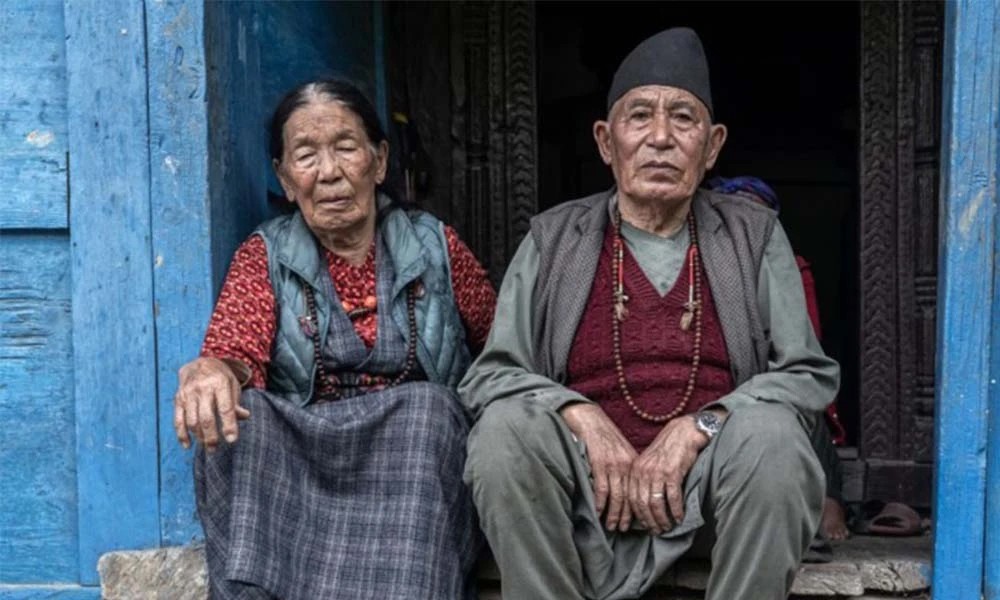
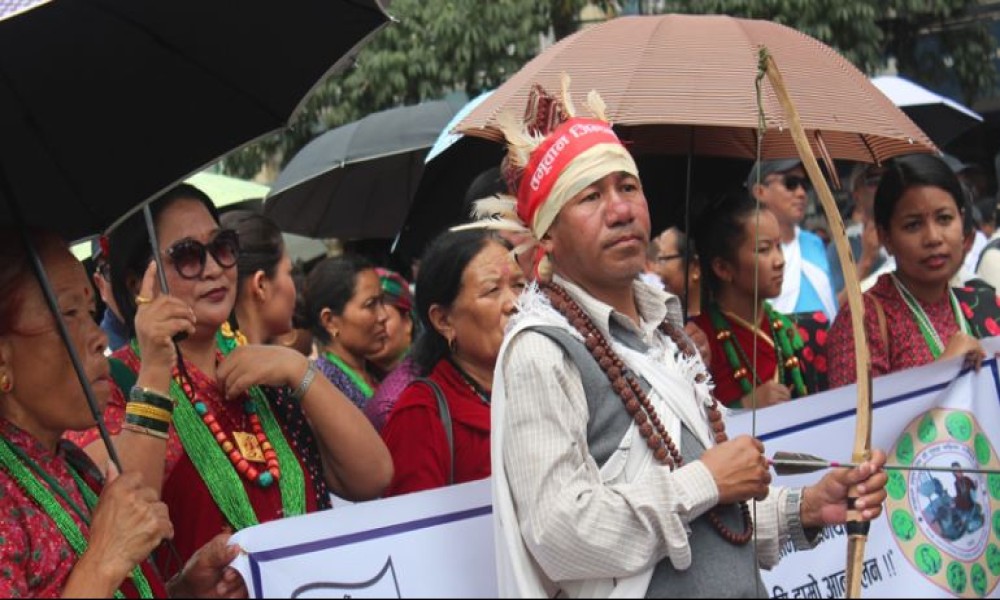
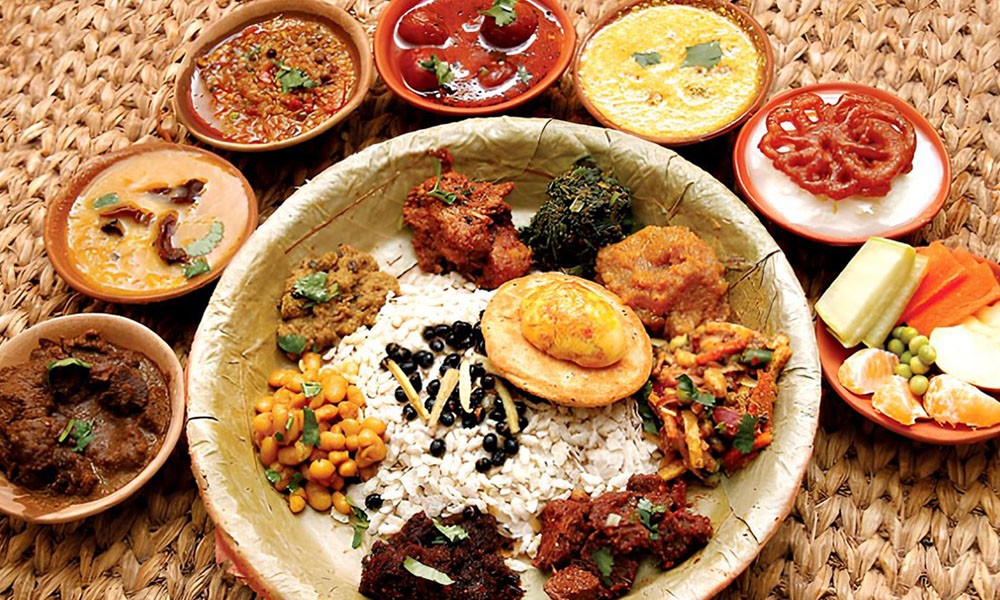
Among the Tamang community of Nepal, food practices illustrate this connection clearly. Living primarily in the hills and mountain regions, Tamang communities have shaped their diets around terraced agriculture, forest resources, and livestock adapted to local conditions. Daily meals reflect this landscape knowledge, drawing on grains suited to hillside farming, vegetables grown near homes, forest greens gathered nearby, and dairy or meat produced through small-scale herding. These foods are not chosen randomly; they represent generations of learning about what sustains life in a particular place.
Food preparation in Indigenous communities is often a shared activity. Cooking is rarely the responsibility of one person alone. Family members contribute in different ways—gathering ingredients, tending fires, preparing staples, or serving meals. Through this shared labor, food becomes a means of cooperation and mutual care. Community life is reinforced through the simple act of cooking together.
In many Indigenous households, children learn food knowledge informally. They observe elders, assist with tasks, and gradually take on responsibility. This learning process is not rushed or formalized. It unfolds naturally as part of everyday life. Through cooking and eating together, younger generations absorb cultural values such as respect, patience, generosity, and responsibility. Food thus becomes a primary site of education, where social and cultural knowledge is transmitted alongside practical skills.
Sharing food is a central expression of community life. Meals bring people together at the end of workdays, during gatherings, and at significant moments in life. Even simple food, when shared, carries meaning. Offering food expresses care, hospitality, and inclusion. Refusing to share food, in many Indigenous contexts, would be seen as a serious social breach. Through food sharing, communities reinforce bonds and maintain social harmony.
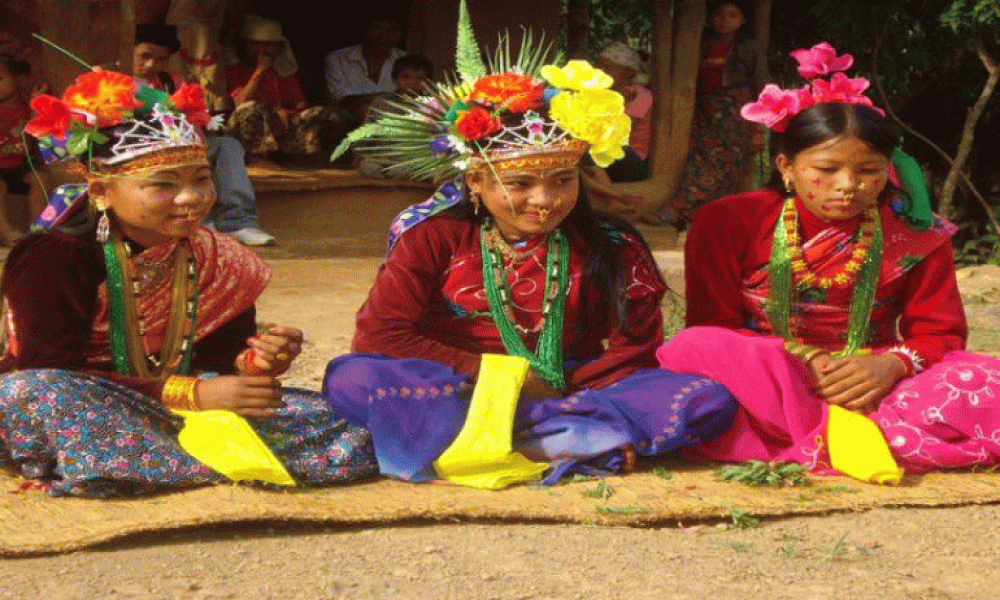
Among the Tamang, communal eating has long been an important part of social life. Meals are often eaten together, with food distributed in ways that reflect respect for elders and care for children. Special occasions involve larger gatherings, but everyday meals are equally important in sustaining relationships. Food marks presence—who is there, who is absent, and who belongs. In this way, food organizes social life quietly but powerfully.
Food also plays a role in shaping cultural identity. Indigenous cuisines carry distinctive flavors, ingredients, and methods that reflect specific histories and environments. These culinary practices help communities maintain a sense of continuity even as circumstances change. When people prepare familiar foods, they reaffirm who they are and where they come from. Food becomes a tangible expression of identity, one that can be experienced through taste, smell, and memory.
Spiritual and ethical values are often embedded in Indigenous food practices. Food is commonly understood as a gift rather than a commodity. Many communities express gratitude for the land, animals, and labor that make food possible. These expressions may be formal or subtle, but they reflect an underlying ethic of respect and humility. Food practices remind people that they are part of a larger web of life, dependent on relationships that extend beyond the human community.
Health and well-being are also closely linked to Indigenous food culture. Traditional diets tend to emphasize diversity, balance, and whole ingredients. Meals are shaped by knowledge of what supports daily labor, seasonal demands, and long-term vitality. This understanding is based on lived experience rather than external prescription. Food nourishes not only the body, but also emotional and social well-being by strengthening relationships and creating a sense of belonging.
In contemporary contexts, Indigenous food systems face new challenges and opportunities. Migration, changing livelihoods, and market influences have altered how people access and prepare food. Yet food remains a powerful anchor of culture and community life. Even when people move away from ancestral lands, cooking familiar foods helps maintain connections to home and identity. Kitchens become spaces where memory and belonging are recreated.
Indigenous cuisine continues to adapt. New ingredients and tools are incorporated, but core principles remain. What matters is not rigid preservation of the past, but continuity of values—respect for land, sharing of food, and care for community. Everyday cooking allows these values to persist even as circumstances change.
For Indigenous chefs and culinary advocates, food offers a way to support community life beyond the kitchen. Cooking can create spaces for dialogue, education, and pride. By highlighting Indigenous ingredients and practices with respect, culinary work can help strengthen cultural visibility and dignity. However, this work must remain grounded in community knowledge and accountability. Indigenous food belongs to the people and places that sustain it.
Understanding food as central to culture and community life invites a broader perspective on what food systems can be. It challenges the idea that food is merely a product or personal choice. Instead, it highlights food as a social and cultural practice that shapes how people live together. Indigenous food systems demonstrate that meals can strengthen relationships, transmit knowledge, and sustain communities over time.
Food, culture, and community life are woven together through everyday practice. Each meal prepared and shared reinforces connections among people and between people and land. These practices may appear ordinary, but their impact is profound. Through food, Indigenous communities maintain continuity, express identity, and nurture collective well-being.
Recognizing the cultural significance of everyday food practices encourages greater respect for Indigenous knowledge and ways of life. It reminds us that culture is not only preserved in ceremonies or institutions, but lived through daily actions repeated with care. Food becomes one of the most accessible and enduring ways culture is carried forward.
As an Indigenous chef and culinary advocate, I see food as a bridge—connecting generations, sustaining community life, and expressing values that cannot always be put into words. When we understand food in this way, we begin to see its true power. Food is not just something we eat. It is something we live with, learn from, and share. Through food, culture remains alive, and community life continues to flourish.