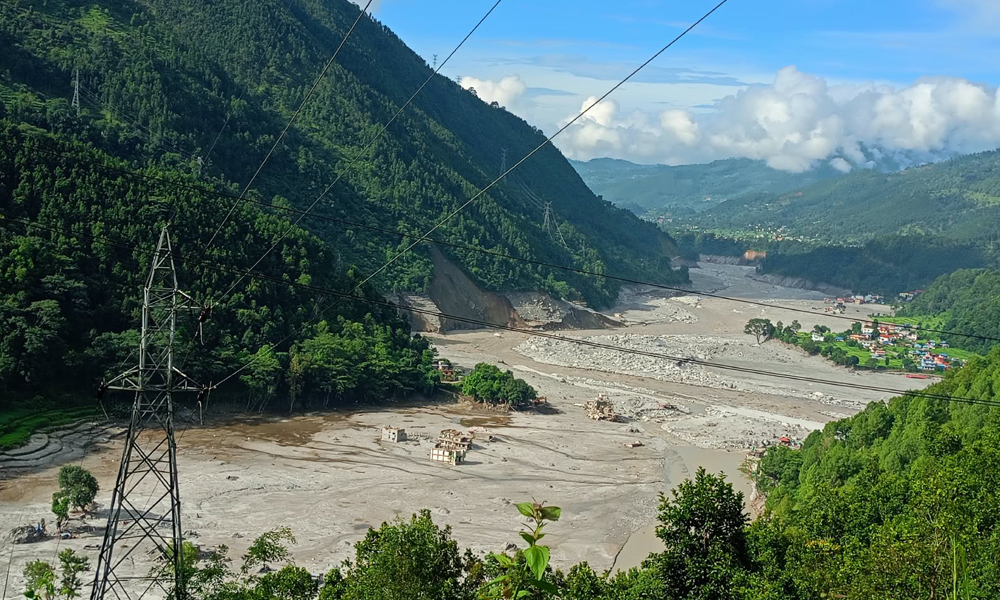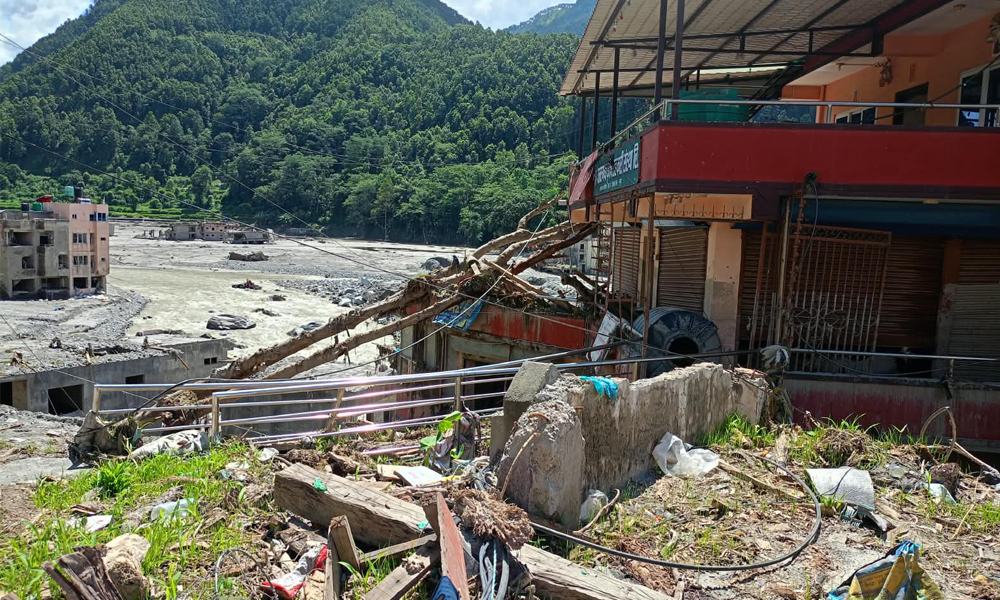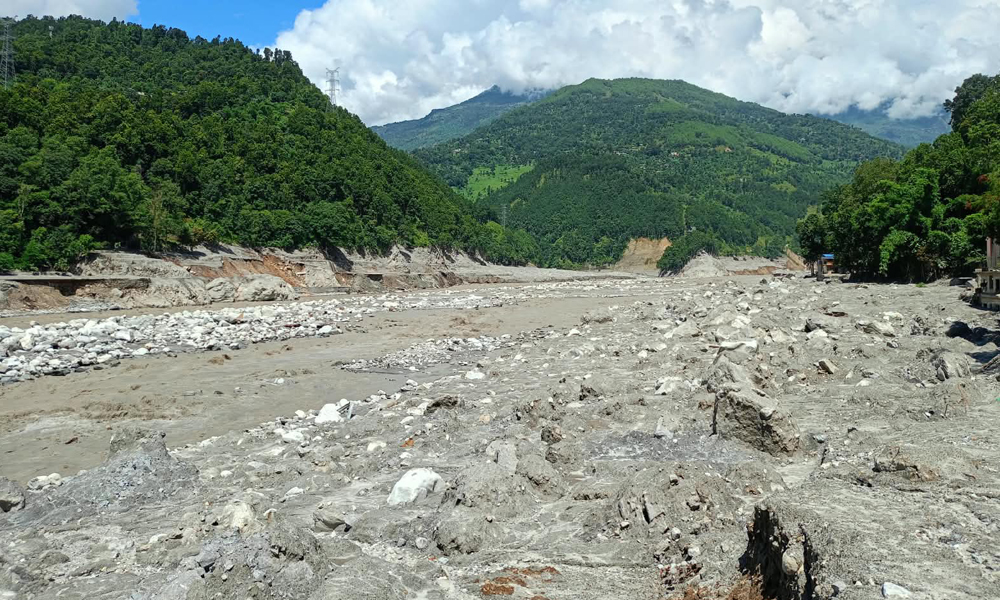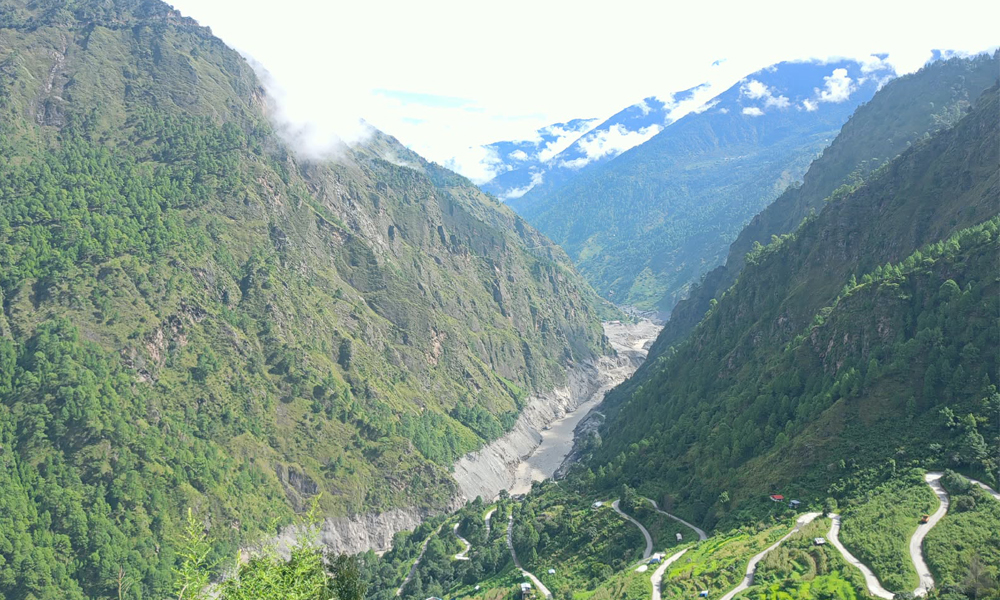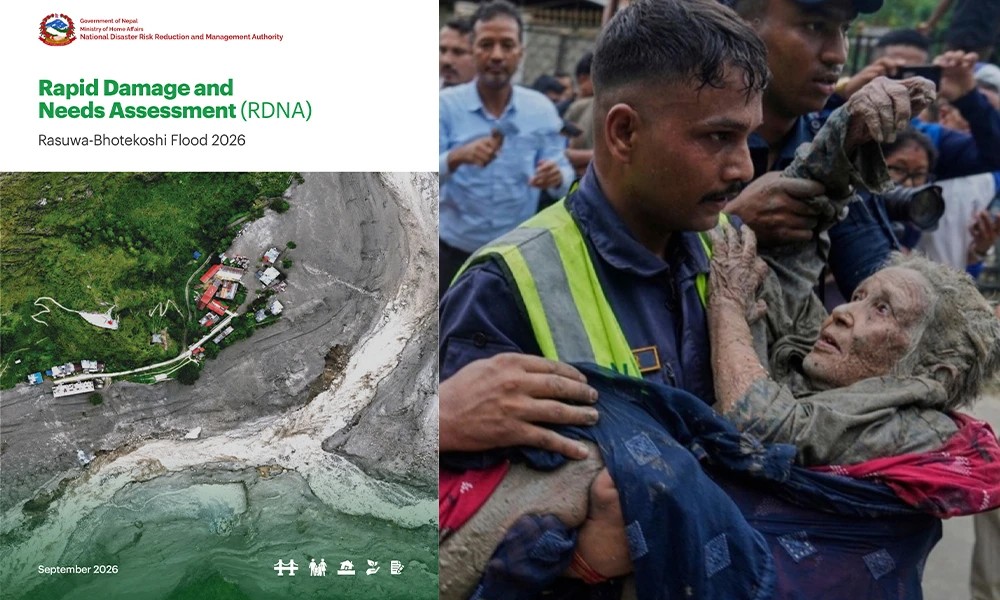

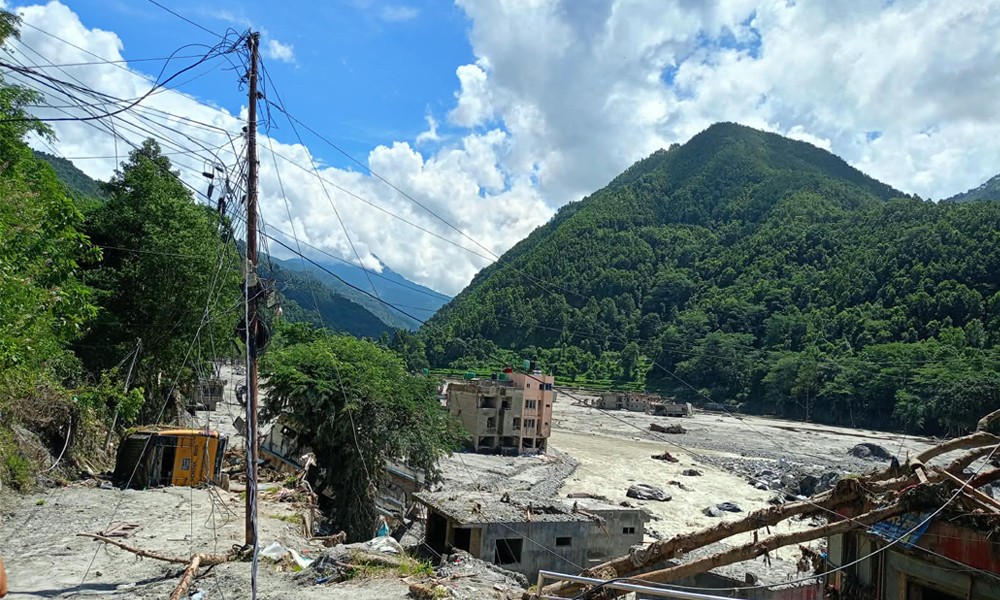
The recent cataclysm along the Bhotekoshi, known in the local Tamang language as Gangbal, or a Himalayan tsunami, has devastated countless lives. According to official figures, the catastrophic deluge has displaced roughly 8,483 citizens, claimed 1,453 lives, and left 5,644 individuals still missing. Over 14,000 survivors have been rescued, though thousands of children remain severely impacted.
In response, the government has designated land for resettlement: 2,665 ropanis in Nuwakot, 591 in Rasuwa, and 22 in Dhading. To safeguard vulnerable children, a dedicated care plan is in motion, including a temporary protection center operating in Thecho, Lalitpur (Godawari Municipality-12). Another 550 displaced residents from the upper belt have taken refuge at the Geso Monastery in Kathmandu. Many more are sheltered across 21 holding facilities in Devighat, Bidur, Betrawati, Kalikasthan, and neighboring hubs. People who were self-sufficient yesterday now find themselves on the streets with nothing. Downstream, sanitation drives and vaccination campaigns against waterborne threats like cholera are underway, alongside basic food and relief distributions.
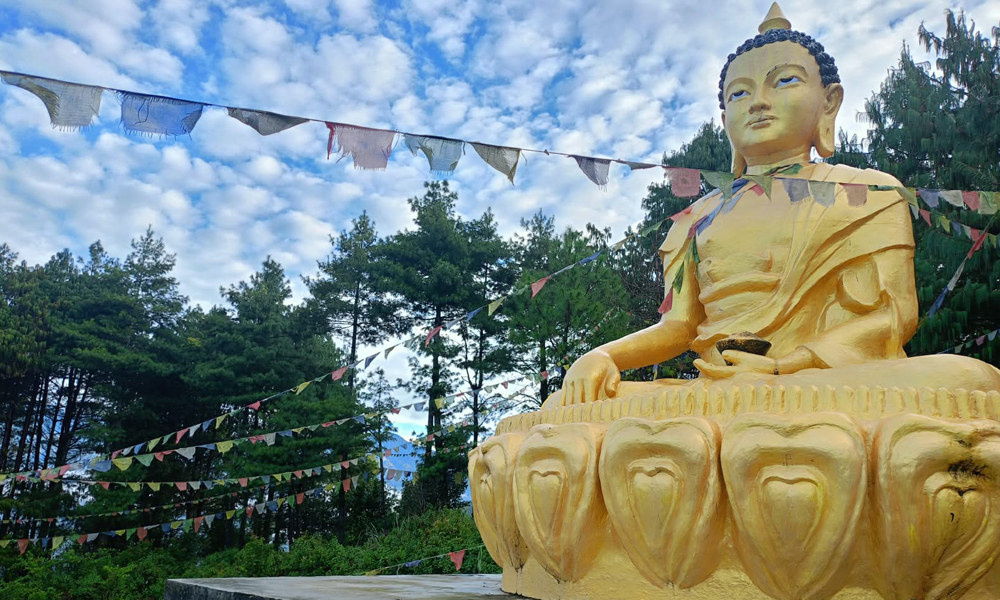
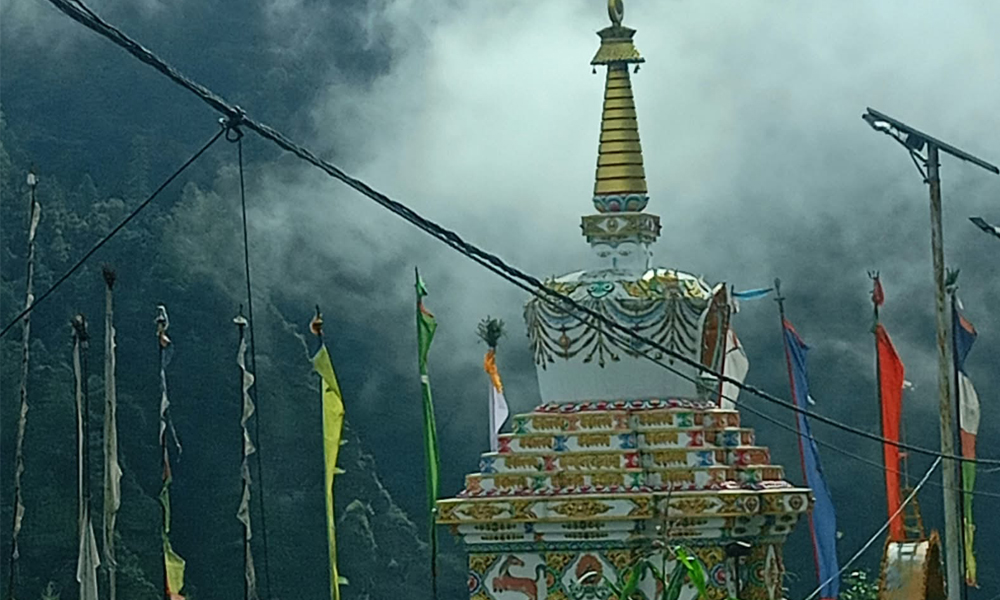
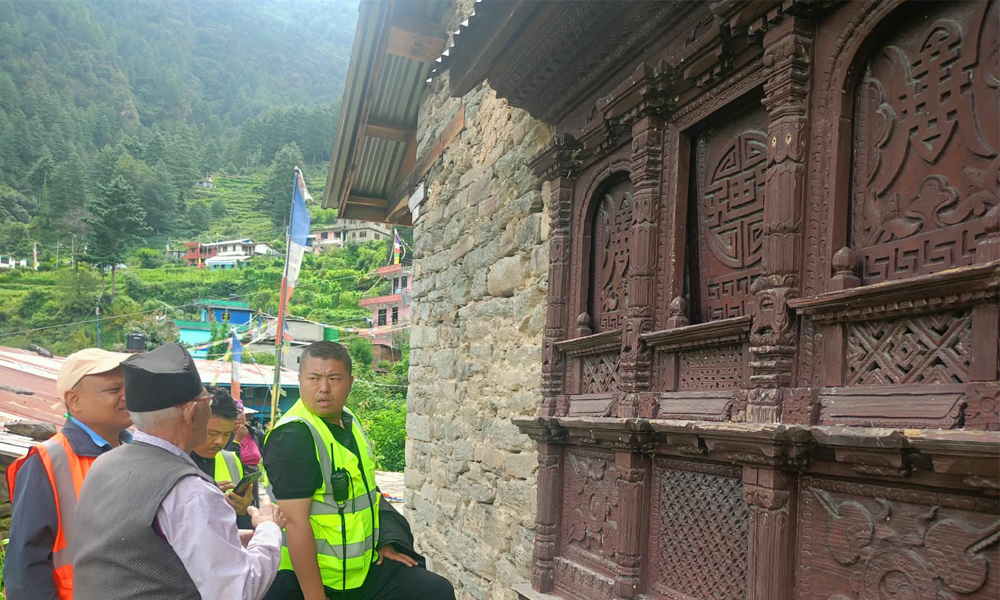
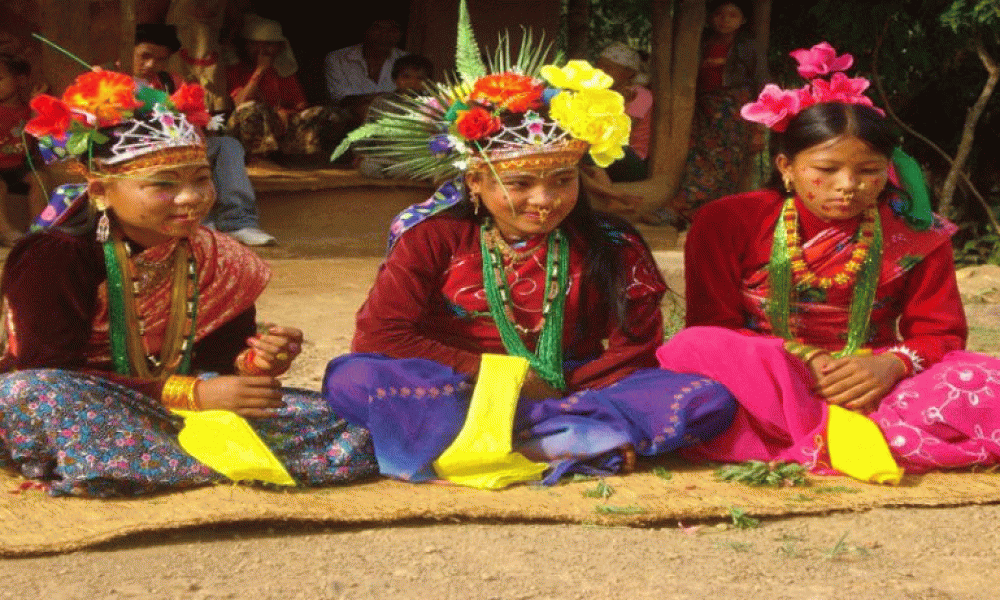
Yet this tragedy cuts far deeper than disrupted supply chains, schools, clinics, and basic public services. The flood did not simply wash away roads, bridges, hydropower stations, banks, markets, and private homes; it swept away the very fabric of Himalayan human civilization. It eroded a distinct way of life: indigenous craftsmanship, ancestral knowledge, ritual traditions, and cultural heritage. It tore down not only hillsides, farmlands, and forests, but also centuries-old monasteries (gumbas), prayer walls (manes), stupas (chortens), ancestral shrines, and heritage sites. Along with them went personal dreams, young people’s drive, and the future of local children.
This tragedy eroded a distinct way of life: indigenous craftsmanship, ancestral knowledge, ritual traditions, and cultural heritage. It tore down not only hillsides, farmlands, and forests, but also centuries-old monasteries (gumbas), prayer walls (manes), stupas (chortens), ancestral shrines, and heritage sites.
Every settlement mourns lost youths and shattered households. Daily essentials in local markets have dwindled to a trickle as transport links and supply lines remain paralyzed. Schools have opened only partially; many double as relief holding centers strained by severe logistical shortcomings, including poor sanitation, scarce drinking water, broken latrines, and mounting security concerns. Children, women, expectant and nursing mothers, the chronically ill, individuals with disabilities, and the elderly face heightened risk. Government authorities, non-governmental organizations, and law enforcement must stay vigilant, with federal, provincial, and local governments acting with greater urgency and coordination.
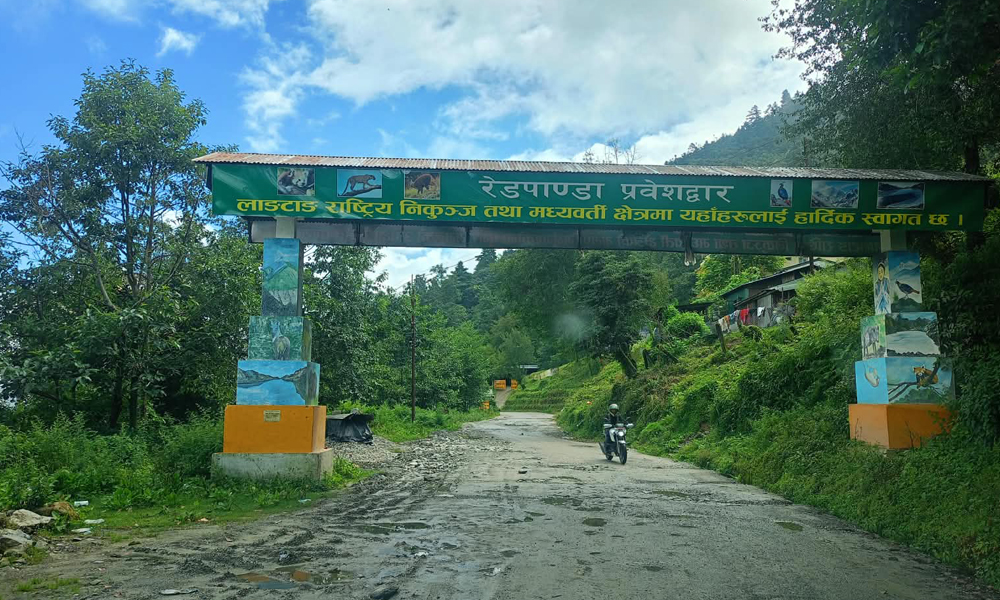
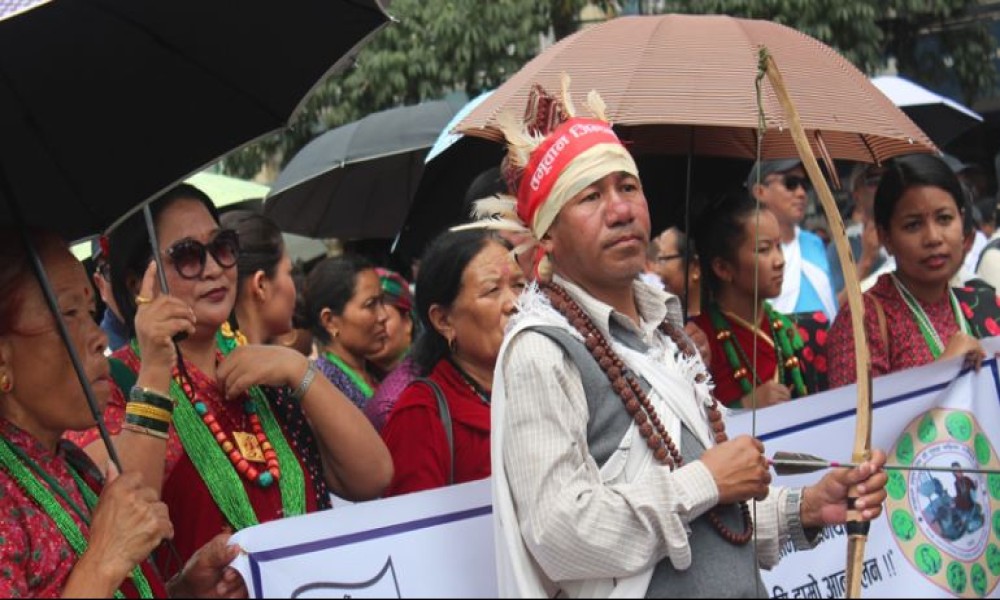
The disaster has permanently altered the landscape of Indigenous Tamang culture, history, and mountain society. The scale of this loss defies measurement. The immediate blow struck from the northern border along the banks of the Bhotekoshi, ravaging Timure, Chilime, Syaphrubesi, Betrawati, and the surrounding hillside villages. While downstream communities and foreign visitors were also caught in its path, the cultural core lay in indigenous Tamang settlements such as Ramche, Haku, Syaphru, Bharkhu, Gatlang, Goljang, and Parchyang.
In Tamang tradition, this phenomenon is called Gangbal—a concept embedded in local folklore representing a colossal water serpent riding the crest of an unstoppable torrent. This culturally grounded oral history provides vital context for understanding how mountain communities historically perceived and named such extreme events.
Assessing the fallout solely in terms of physical infrastructure misses the mark entirely. Equally critical is the damage inflicted on ecosystems that sustain livelihoods and nurture the intergenerational transmission of indigenous practices. This encompasses sacred forests, rivers, ritual grounds, tangible and intangible cultural assets, medicinal herbs, alpine biodiversity, indigenous farming and livestock methods, high-altitude Kharkas (pastures), forest enterprise, and community-led ecotourism.
The recovery roadmap must therefore prioritize comprehensive social, cultural, and economic rehabilitation alongside physical rebuilding. Every plan and intervention must stem directly from local needs and perspectives, bringing together anthropologists, sociologists, climate scientists, and local leaders rather than relying solely on central planners and engineers.
The psychosocial toll is equally staggering, and the multi-generational trauma demands immediate investigation. Survivors require both group and individual counseling, psychiatric referrals, and steady community support. Culturally rooted healing practices, informed by targeted research, must be paired with conventional mental health care. Concurrently, protection mechanisms must be reinforced to shield displaced populations from gender-based violence, exploitation, and discrimination.
Long-term survival hinges on revitalizing local livelihoods and resetting socio-economic systems in harmony with nature. We face a defining question: can we preserve this landscape for future generations? Answering yes requires adopting climate-resilient agriculture, championing enterprises grounded in local raw materials and skills, choosing lifestyles that honor environmental boundaries, and building infrastructure tailored to fragile mountain topography—striking a conscious balance between ancestral wisdom and modern engineering.
Climate change triggered the Bhotekoshi disaster, but reckless human encroachment set the stage. We have pursued a reckless model of development that scars the earth: choking natural river corridors, narrowing waterways, diverting streams, and stripping hillsides for short-term profit. Our pursuit of wealth and consumerist convenience has destabilized the delicate equilibrium between river systems, transport corridors, and human habitations.
Given Nepal’s extreme vulnerability to climate impacts, rigorous research and forward-looking policies must examine how environmental degradation directly impairs public health.
Human survival now depends on centering our priorities around planetary health, a scientific and medical framework that recognizes that human well-being is inextricably tied to the health of the Earth’s natural systems. Humanity cannot thrive on a degraded planet. The core pillars of planetary health—ecological balance, climate stabilization, human health, and biodiversity conservation—serve as a vital shield against the disease and suffering caused by environmental collapse. The Earth can endure without us; we cannot endure without her.
Given Nepal’s extreme vulnerability to climate impacts, rigorous research and forward-looking policies must examine how environmental degradation directly impairs public health. Future disaster frameworks must be participatory, culturally appropriate, and responsive to community priorities, granting local governments and affected populations a decisive voice in recovery efforts. This catastrophe brings issues of climate justice and social equity into sharp relief—mirroring the Prime Minister's recent address to the United Nations General Assembly, which underscored the rights of mountain communities, fair compensation for climate loss and damage, and equitable benefit-sharing.
True recovery must move beyond replacing concrete and asphalt. It must restore human dignity, revive self-sufficient livelihoods, and protect Indigenous Peoples' right to lands, traditional knowledge systems, local ecology, and community autonomy. Safeguarding our living nature, culture, and civilization is a collective duty. In this critical hour, all sectors must contribute what they can—grounding relief and reconstruction in genuine compassion and public welfare, while rejecting profiteering and political opportunism.